


Indoor air quality has become an important concern for many homeowners, especially as people spend more time inside their homes. The air you breathe indoors is constantly circulating through your HVAC system, which means its condition directly affects your comfort and health. Over time, dust, debris, and other particles can build up inside the system, quietly reducing its efficiency.
HVAC cleaning is designed to address this issue by removing unwanted buildup from key components. While it may not always be necessary on a fixed schedule, understanding what it involves can help you make better decisions for your home.
What Is HVAC Cleaning?
HVAC cleaning refers to the process of cleaning the different parts of your heating, ventilation, and air conditioning system. This includes air ducts, coils, filters, fans, and vents. These components work together to circulate air throughout your home, and when they become dirty, the system can struggle to perform effectively.
Rather than focusing on just one part, proper HVAC cleaning usually involves the entire system. This helps prevent dust and contaminants from simply moving from one area to another after cleaning.
How an HVAC System Works
To understand why cleaning matters, it helps to know how your HVAC system operates. The system pulls air from your living space, filters it, adjusts its temperature, and then sends it back through ducts into different rooms.
During this process, small particles such as dust, pollen, and pet dander can enter the system. While filters capture some of these particles, others settle inside ducts and components over time. This gradual buildup can affect airflow and system performance.
What Does HVAC Cleaning Include?
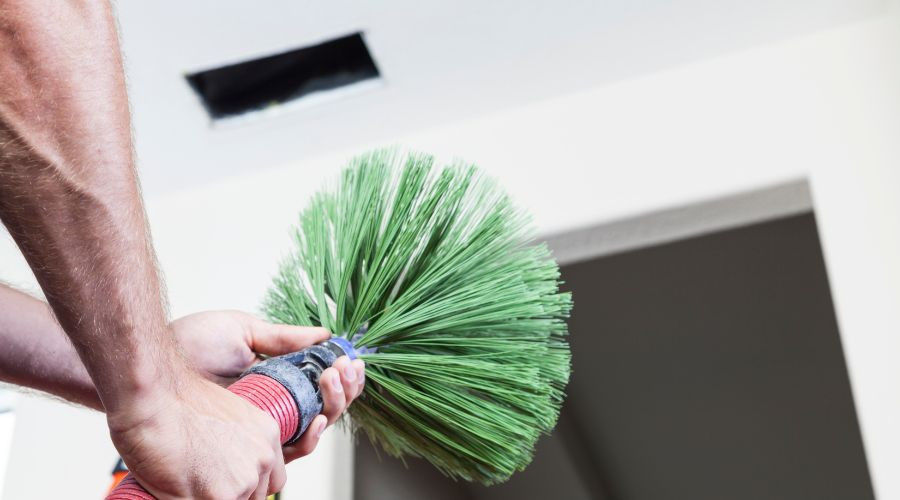
A complete HVAC cleaning involves several steps that target different parts of the system. Air duct cleaning removes accumulated dust from the pathways that carry air. Vent and register cleaning focuses on the visible openings in each room.
Coil cleaning is important because dirty coils can reduce the system’s ability to heat or cool air efficiently. Filters are either cleaned or replaced to maintain proper airflow. In addition, blowers and fans are cleaned to ensure smooth operation, while drain lines are cleared to prevent moisture problems.
Benefits of HVAC Cleaning
One of the main benefits of HVAC cleaning is improved indoor air quality. Removing dust and debris from the system can help reduce the number of airborne particles circulating in your home.
Another advantage is better energy efficiency. When the system is clean, it doesn’t have to work as hard to maintain the desired temperature. This can lead to lower energy consumption over time.
HVAC cleaning may also help extend the lifespan of your system. By reducing strain on its components, you lower the risk of wear and unexpected breakdowns. Additionally, cleaning can help eliminate unpleasant odors caused by dust or moisture buildup.
Signs Your HVAC System Needs Cleaning
Not every home requires frequent HVAC cleaning, but certain signs can indicate when it’s time to consider it. If you notice dust coming out of vents when the system is running, it may suggest buildup inside the ducts.
Musty or stale odors are another common sign, especially if moisture is present in the system. Weak airflow or uneven heating and cooling can also point to blockages or dirt buildup.
An unexpected increase in energy bills may indicate that your system is working harder than usual. In some cases, increased allergy symptoms indoors can also be linked to poor air circulation.
How Often Should You Clean Your HVAC System?
There is no fixed rule for how often HVAC cleaning should be done. In many cases, it is recommended only when there are clear signs of buildup or contamination.
For most households, a general guideline is every three to five years. However, homes with pets, high dust levels, or recent renovations may require more frequent attention.
Regular filter replacement and routine maintenance can significantly reduce the need for full system cleaning.
DIY Maintenance vs Professional Cleaning
Basic HVAC maintenance can often be handled on your own. Tasks such as replacing air filters, cleaning vents, and keeping outdoor units clear of debris are simple but important steps.
However, deep HVAC cleaning is best left to professionals. They use specialized tools to remove debris from inside ducts and components without damaging the system. Attempting to do this yourself can sometimes cause more harm than good.
Common Misconceptions About HVAC Cleaning
There are several misconceptions about HVAC cleaning that can lead to confusion. One common belief is that it needs to be done every year, but this is not always necessary.
Another misconception is that HVAC cleaning alone will solve all indoor air quality issues. In reality, many factors contribute to air quality, including ventilation, humidity, and everyday activities inside the home.
Understanding these points can help you make more informed decisions and avoid unnecessary services.
Tips to Keep Your HVAC System Clean Longer
Keeping your HVAC system clean doesn’t always require major effort. Changing your air filters regularly is one of the most effective steps you can take.
It also helps to keep vents free from dust and obstructions. Regular home cleaning reduces the amount of dust that enters the system in the first place.
Scheduling occasional inspections can help identify small issues before they become larger problems. With consistent care, you can maintain both system performance and indoor comfort.
Cost of HVAC Cleaning
The cost of HVAC cleaning varies depending on the size of your system and the level of cleaning required. Larger systems or heavily contaminated ducts typically cost more to clean.
While prices can differ, it’s important to focus on value rather than just cost. Cleaning should be done when it provides clear benefits, rather than as a routine expense.
Conclusion
HVAC cleaning is an important part of maintaining a healthy and efficient home environment, but it should be approached with a clear understanding of when and why it’s needed.
By learning how your system works and recognizing the signs of buildup, you can take practical steps to keep your indoor air clean and your system running smoothly. A balanced approach to maintenance and cleaning will help ensure long-term comfort and reliability.
Must Read: Inverters and Drives: Understanding Their Role in Modern Industries
FAQs
What is HVAC cleaning and why is it important?
HVAC cleaning involves removing dust, debris, and contaminants from your heating and cooling system. It helps maintain better airflow and can improve the overall air quality inside your home.
How do I know if my HVAC system needs cleaning?
Common signs include visible dust from vents, musty odors, weak airflow, or a sudden increase in energy bills. These issues often suggest buildup inside the system.
How often should HVAC cleaning be done?
Most homes do not need frequent cleaning. A general guideline is every three to five years, but it depends on factors like pets, dust levels, and recent renovations.
Can I clean my HVAC system myself?
You can handle basic tasks like changing filters and cleaning vents. However, deep cleaning of ducts and internal components is best left to professionals.
Does HVAC cleaning improve indoor air quality?
It can help reduce dust and airborne particles, but it is not a complete solution. Regular maintenance and good ventilation also play an important role.

